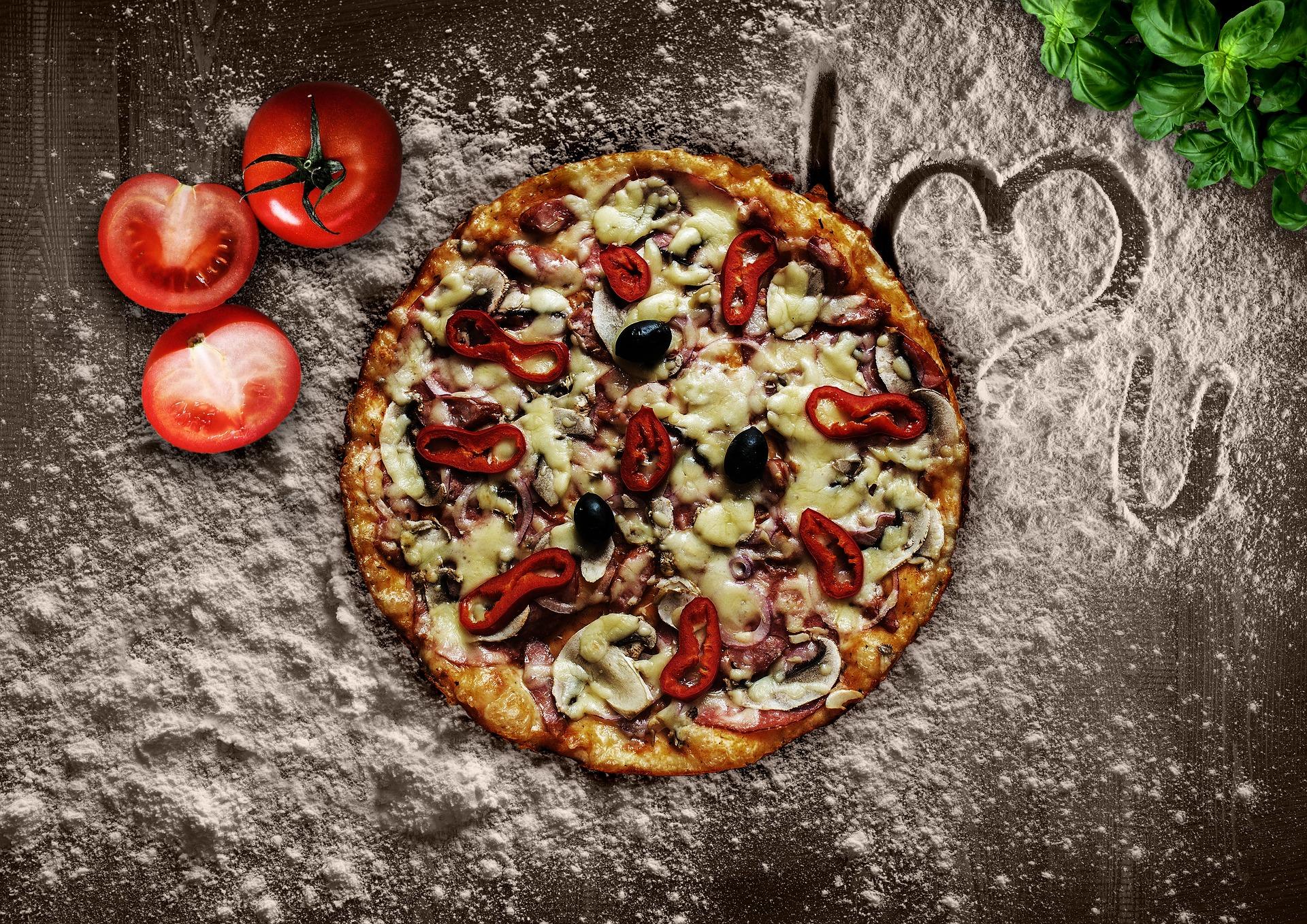
Pizza, a dish that has transcended its Italian roots to become a global favorite, offers a rich tapestry of history, versatile preparation methods, and diverse adaptations across the world. This blog post delves into the origins of pizza, its evolution into the culinary staple we know today, and how different cultures have embraced and customized this beloved dish.
The Origins of Pizza
Pizza's journey began in Naples, Italy, during the 18th century. Initially, it was the food of the poor, a simple creation involving bread topped with readily available ingredients. The modern pizza, with its tomato base, was born after the tomato was introduced to Europe from the Americas. The Margherita pizza, topped with tomatoes, mozzarella cheese, and basil, is said to have been named in honor of Queen Margherita of Savoy after she expressed a liking for it.
How to Make Traditional Pizza
Making traditional pizza involves a few key steps:
- Preparing the Dough: The base is made from flour, water, yeast, and salt. After mixing, the dough must be kneaded and left to rise.
- Sauce and Toppings: A simple tomato sauce is spread over the base, followed by mozzarella cheese and other toppings as desired.
- Baking: The pizza is baked in a hot oven, traditionally a wood-fired one, until the crust is crispy and the cheese is bubbling.
The Italian Legacy
Italy, particularly Naples, is the birthplace of pizza, setting the standard for what the world knows and loves as pizza today. The Neapolitan pizza, with its simple yet flavorful toppings on a thin and crispy base, is not just food; it's a UNESCO-recognized cultural heritage. This recognition speaks volumes about the pizza's significance in Italian culture and cuisine.
Neapolitan Pizza
The epitome of Italian pizza is the Neapolitan pizza, characterized by a soft, chewy crust, San Marzano tomatoes, mozzarella di bufala, fresh basil, and extra virgin olive oil. It's a testament to the beauty of simplicity, where quality ingredients and traditional methods converge to create a timeless dish.
Other Italian Varieties
Italy offers a diverse pizza landscape beyond the Neapolitan classic:
- Roman Pizza: Known for its thin, crispy crust, often cut in rectangular slices.
- Sicilian Pizza (Sfincione): Features a thick crust and is traditionally topped with tomatoes, onions, anchovies, and herbs.
- Pizza al Padellino: A Torino specialty, this deep-dish pizza has a thick, soft base and is cooked in a pan.
Pizza Around the World
Pizza has been adopted and adapted by various cultures around the globe, each adding its own local flavors and ingredients.
- United States: The U.S. is known for its diverse pizza styles, including New York's thin crust and Chicago's deep dish.
- Japan: Japan offers unique toppings like squid and mayonnaise or teriyaki chicken.
- Brazil: Brazilian pizzas feature unconventional toppings, including green peas, corn, and hearts of palm.
- India: Indian pizzas might include paneer and tandoori chicken as toppings, catering to local tastes.
Conclusion
From its humble beginnings in Naples to its status as a worldwide culinary phenomenon, pizza exemplifies how food can cross cultural boundaries and bring people together. Whether you prefer a classic Margherita or a more unconventional topping combination, pizza's universal appeal lies in its simplicity and versatility. As we continue to explore and experiment with new ingredients and methods, the story of pizza is far from over—it's a global journey that continues to evolve with each slice served.