
The entertainment industry has undergone seismic shifts over the past decade, driven by technological advancements, changing consumer preferences, and the global pandemic's long-lasting effects. This blog post explores the current landscape of entertainment, highlighting key trends, the impact of digital transformation, and strategies for engaging with content in meaningful ways.
The Rise of Streaming Services
Streaming platforms have revolutionized the way we consume movies, TV shows, and music, offering on-demand access to vast libraries of content. The success of platforms like Netflix, Spotify, and Disney+ has not only changed consumer habits but also influenced the production and distribution of entertainment.
- Personalization and Algorithms: Streaming services use sophisticated algorithms to recommend content, creating a personalized viewing experience.
- Original Content Production: Platforms are investing heavily in original content to attract and retain subscribers, leading to an explosion of new movies, series, and music.

The Evolution of Gaming
Video gaming has transformed from a niche hobby to a mainstream form of entertainment, with mobile gaming, eSports, and immersive technologies like VR and AR leading the charge.
- Mobile Gaming: The accessibility of smartphones has propelled mobile gaming to new heights, making it the largest segment in the gaming industry.
- eSports: Competitive gaming has become a global phenomenon, with professional leagues, tournaments, and millions of fans worldwide.
- Virtual and Augmented Reality: VR and AR technologies are creating new possibilities for immersive gaming experiences, blurring the lines between the digital and real worlds.

Social Media and Entertainment
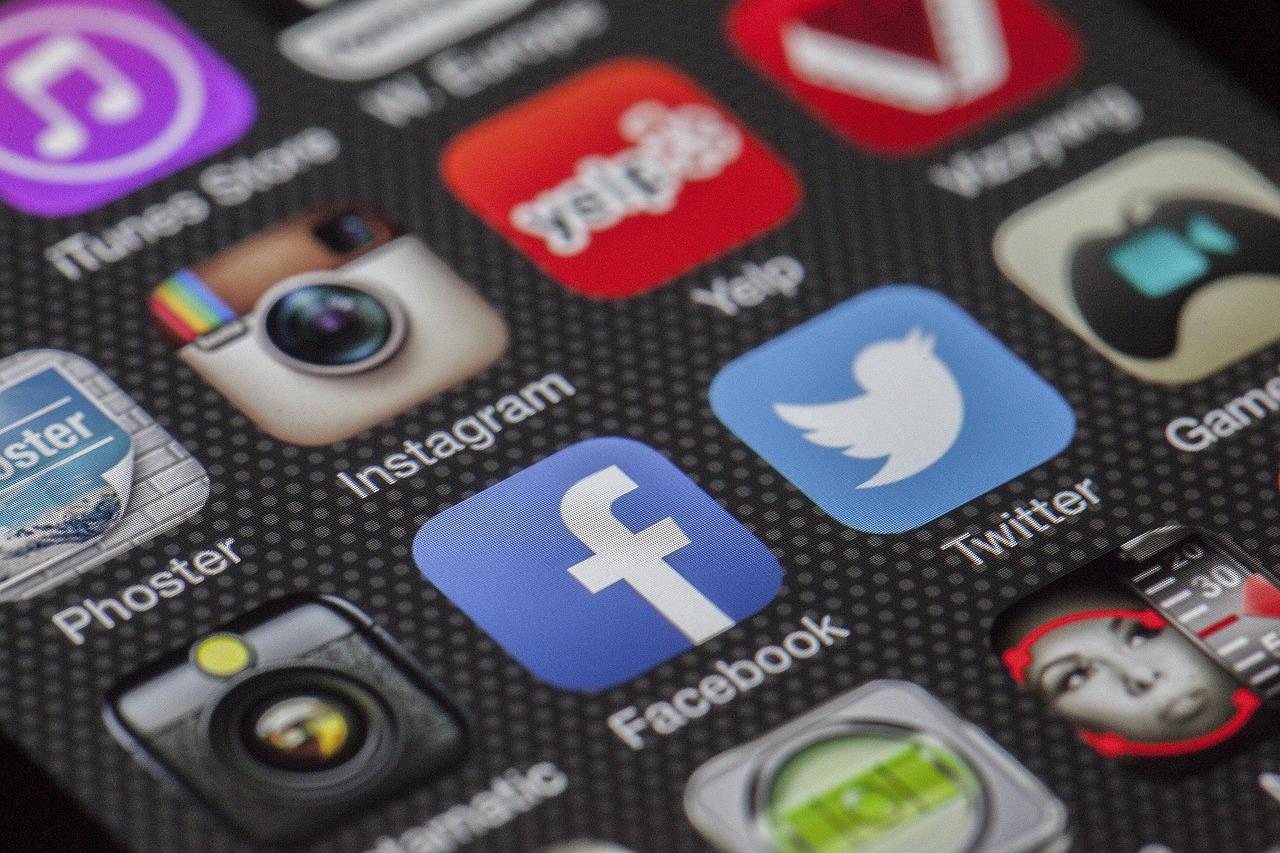
Social media platforms have become integral to the entertainment landscape, influencing what we watch, play, and listen to. They not only serve as platforms for content discovery but also as spaces for fan communities to thrive.
- Influencer Culture: Social media influencers play a significant role in shaping entertainment trends and promoting content.
- Interactive Content: Platforms like TikTok and Twitch offer interactive entertainment experiences, allowing users to create, share, and engage with content in real-time.
The Importance of Live Events
Despite the digital shift, live events remain a crucial part of the entertainment industry. Concerts, theater performances, and sports events offer unique, irreplaceable experiences that digital formats cannot fully replicate.
- Hybrid Events: The future of live events is likely to incorporate digital elements, making them accessible to wider audiences through live streaming and virtual participation.
- Safety and Innovation: Post-pandemic, the industry is finding innovative ways to host live events safely, including outdoor venues, reduced capacity, and health protocols.
Engaging with Entertainment Mindfully
With endless options at our fingertips, it's important to engage with entertainment mindfully, choosing content that enriches our lives and reflects our values.
- Curate Your Consumption: Be selective about what you watch, listen to, and play, focusing on quality over quantity.
- Support Creativity: Whenever possible, support artists, creators, and productions that resonate with you, whether through subscriptions, merchandise, or word-of-mouth promotion.
Conclusion
The entertainment industry is at a crossroads, with digital innovation leading the way towards a more personalized, interactive, and accessible future. As consumers, we have the power to shape this landscape through our choices and engagement. By embracing the new era of entertainment with curiosity and mindfulness, we can enjoy a richer, more diverse cultural experience that connects us in ways we never imagined possible.